Used Roles for sale (107)
Sort results
- Lowest price Highest price
- Newest listings Oldest listings
- Shortest distance Farthest distance
- Newest year of manufacture Oldest year of manufacture
- Latest update Oldest update
- Manufacturer A to Z Manufacturer Z to A
- Relevance
- Lowest price
- Price
- Highest price
- Price
- Newest listings
- Release date
- Oldest listings
- Release date
- Shortest distance
- Distance
- Farthest distance
- Distance
- Newest year of manufacture
- Year of construction
- Oldest year of manufacture
- Year of construction
- Latest update
- Update
- Oldest update
- Update
- Manufacturer A to Z
- Manufacturer
- Manufacturer Z to A
- Manufacturer
- designation from A to Z
- Description
- designation from Z to A
- Description
- Model from A to Z
- Model
- Model from Z to A
- Model
- Lowest reference
- Ref.No.
- Highest reference
- Ref.No.
- Shortest runtime
- Runtime
- Longest duration
- Runtime
- Relevance
- Relevance
Listing
Austria
18,201 km
3 rolls asymmetrical bending
KK-IndustriesBlecheinrollmaschine motorisch MRM - S 2550 x 190
Call
Condition: new, sheet thickness: 6bending length: 2550upper roll diameter: 190prebending: 5sheet length: 2550Model MRM-S 3 rollers Motorized asymmetric plate bending machines Steel welded frame - Motorized adjustment of the rear roller
Options: Hardened rollers 1.800,- Extended roller shafts: 500,- Role segment: 750,- Digital display: 800,- All prices excluding VAT
Nedsflvl Aopfx Ad Nokt
Listing
Zheng Zhou Shi
10,533 km
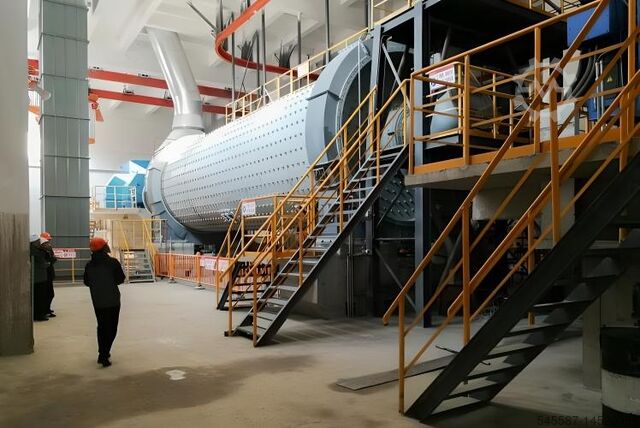
Coal ball mill, coal ball grinding mill
Mingyuan Ball Mill For Fine PowderPowder grinding mill for coal, silica
Call
Condition: new, functionality: fully functional, power: 55 kW (74.78 HP), Year of construction: 2025, A coal ball mill, also known as a coal grinding mill, is a type of grinder used to grind and blend materials for use in mineral dressing processes, paints, pyrotechnics, ceramics, and selective laser sintering. It is a cylindrical device used to grind or mix coal, ores, chemicals, and other materials mechanically.
Here are key features and aspects of a coal ball mill:
1. Cylindrical Structure:
- The coal ball mill typically consists of a horizontal cylindrical shell. The inner surface of the shell is usually lined with abrasion-resistant material such as steel or rubber to protect it from wear.
2. Grinding Media:
- Grinding media, such as steel balls or ceramic balls, are placed inside the coal ball mill to assist in the grinding process. The rotation of the mill causes the grinding media to cascade and grind the coal particles.
3. Coal Feed and Discharge:
- Coal is typically fed into the mill through a central feed pipe, and the ground coal particles are discharged through a discharge end. The size of the coal particles is reduced during the grinding process.
4. Rotational Motion:
- The coal ball mill rotates on its horizontal axis. The rotation of the mill is controlled by a motor, and the speed can be adjusted to control the grinding process and particle size.
5. Air Sweeping:
Nkedjq Nf U Ejpfx Ad Nst
- Some coal ball mills incorporate an air-swept design. Air is introduced into the mill to facilitate drying and transport of the pulverized coal out of the mill. This design helps in controlling the moisture content of the coal and aids in the grinding process.
6. Drying and Grinding:
- In addition to grinding, the coal ball mill may also have a drying function. This is particularly important if the coal being processed contains moisture. The drying and grinding functions are often achieved simultaneously in some coal mills.
7. Control System:
- Modern coal ball mills are equipped with control systems to monitor and regulate key parameters such as mill speed, feed rate, and temperature. This allows for optimization of the grinding process and efficient coal processing.
8. Application:
- Coal ball mills are commonly used in coal-fired power plants and other industries where coal is used as a fuel. They are part of the coal pulverization system, which grinds coal into fine powder for combustion in boilers.
9. Safety Features:
- Safety features, such as monitoring devices and emergency shutdown systems, are often incorporated into coal ball mills to ensure safe operation.
10. Wear Protection:
- Wear-resistant materials are used in critical areas of the coal ball mill to withstand the abrasive nature of coal and extend the life of the mill components.
Coal ball mills play a crucial role in coal pulverization processes in power plants, contributing to the efficient combustion of coal for electricity generation. The specific design and features of coal ball mills can vary among different manufacturers and applications.
Listing
Zheng Zhou Shi
10,533 km
Grinding mill
Abrasive Aluminium Oxide Grinding PlantMicrosilica powder Grinding Mill
Call
Condition: new, functionality: fully functional, Year of construction: 2025, Microsilica, also known as silica fume or condensed silica fume, is a byproduct of producing silicon metal or ferrosilicon alloys. Microsilica powder grinding mills are used to process microsilica powder for various applications, including the production of high-performance concrete, refractory materials, and other specialty products. Grinding mills play a crucial role in reducing microsilica particles to the desired fineness. Here are some key aspects related to microsilica powder grinding mills:
1. Mill Types:
- Ball Mill: A traditional ball mill is commonly used for grinding microsilica. It relies on the impact and attrition forces to reduce particle size. It is effective for both wet and dry grinding.
- Vertical Roller Mill (VRM): VRM technology is known for its energy efficiency and the ability to grind materials into a narrow particle size distribution. It is suitable for grinding microsilica.
2. Grinding Process:
- The grinding process involves feeding microsilica particles into the grinding mill. The grinding media (balls or rollers) inside the mill crush and grind the microsilica particles into a fine powder.
3. Particle Size Distribution:
- Controlling the particle size distribution is crucial for achieving the desired properties in the final product. The grinding mill should be equipped with mechanisms to control and monitor particle size distribution.
4. Mill Design and Components:
- The design of the grinding mill, including the type of grinding media, liners, and the grinding chamber, influences the efficiency and performance of the milling process for microsilica.
5. Air Classification (Optional):
- In some cases, air classification systems are integrated into the grinding process to separate fine particles from coarser ones, ensuring a more uniform product.
6. Control Systems:
- Advanced grinding mills often come with automated control systems to regulate various parameters such as feed rate, mill speed, and product fineness.
7. Material Handling:
- Efficient material handling systems are essential to transport microsilica to and from the grinding mill. This may involve pneumatic or mechanical conveying systems.
8. Cooling Systems:
- Grinding processes generate heat, and efficient cooling systems are often integrated to maintain the temperature within a controlled range.
9. Dust Collection:
- Microsilica powder grinding can produce airborne dust. Dust collection systems are necessary to maintain a clean and safe working environment.
Nsdpfxjq Nxp Sj Ad Nekt
10. Quality Assurance:
- Grinding mills for microsilica should be equipped with quality assurance features, such as in-line particle size analysis, to ensure consistency in the final product.
When selecting a microsilica powder grinding mill, factors such as production capacity, energy efficiency, and the required particle size distribution should be considered. Additionally, mills should be chosen based on the specific characteristics of the microsilica being processed and the intended application of the final product.

Get information now
+44 20 806 810 84
+44 20 806 810 84
List now
*per listing / month
Listing
Zheng Zhou Shi
10,533 km
Cement mill,clinker grinding plant
Clinker grinding mill / cement ball millcement grinding with air classifier
Call
Year of construction: 2025, condition: new, functionality: fully functional, A cement clinker grinding mill is a specialized equipment used to grind the hard nodular clinker into fine powder, which is cement. Most cement is currently ground in ball mills and also vertical roller mills, which are more effective than ball mills.
Here are key features and information about cement clinker grinding mills:
1. Raw Materials:
- The main raw material for making cement is clinker, which is produced by sintering limestone and clay. Other materials such as gypsum, fly ash, or slag may also be added during the grinding process to achieve specific properties.
2. Grinding Process:
- The clinker and other additives are finely ground in the grinding mill to produce cement. The grinding process is a crucial step in cement production and contributes significantly to the final quality of the product.
3. Types of Mills:
- Ball Mills: Traditional ball mills are commonly used for grinding clinker. They operate by rotating a cylinder with steel grinding balls, causing the balls to fall back into the cylinder and onto the material to be ground.
- Vertical Roller Mills (VRM): VRM technology has become increasingly popular for clinker grinding. These mills use a rotating table with rollers to crush and grind the clinker, providing energy efficiency and a smaller footprint compared to ball mills.
4. Gypsum Addition:
Nksdpfx Adsq Nfbhs Nst
- Gypsum is often added during the grinding process to control the setting time of the cement. It prevents flash setting of the clinker and facilitates the formation of a workable and pumpable cement paste.
5. Quality Control:
- Quality control measures, such as monitoring the fineness of the cement, chemical composition, and other properties, are implemented during the grinding process to ensure the final product meets the required specifications and standards.
6. Clinker Cooling:
- Before grinding, the clinker is produced by heating the raw materials in a kiln. The clinker is then cooled before entering the grinding mill to prevent excessive heat build-up during grinding.
7. Dust Collection and Environmental Considerations:
- Dust collectors and air pollution control systems are often employed to capture and control the dust generated during the grinding process, addressing environmental and safety concerns.
8. Packaging and Storage:
- After grinding, the cement is typically stored in silos before being packaged in bags or dispatched in bulk for distribution to construction sites or for sale in the market.
Cement clinker grinding mills play a crucial role in the cement production process, and advancements in technology continue to improve the efficiency and environmental sustainability of the grinding process.
Listing
Zheng Zhou Shi
10,533 km
Powder equipment for sand & micro powder
Mingyuan Powder production equipment1.83X11m Micro Powder Ball Grinding Mill
Call
Condition: new, Year of construction: 2025, functionality: fully functional, Ball Mill with Air Classifier: The Ultimate Powder Processing Equipment
In the world of industrial powder production, precision, efficiency, and flexibility are paramount. Whether producing ultra-fine powders for high-tech applications or coarser materials for everyday products, the combination of a Ball Mill with Air Classifier offers unparalleled performance. This dynamic duo provides a comprehensive solution for industries ranging from chemicals and ceramics to paints, plastics, and pharmaceuticals.
This article introduces the ball mill with an air classifier, explores its applications, and highlights the key advantages of this essential powder equipment.
General Introduction to Ball Mill with Air Classifier
ball mill with air classifier is an advanced grinding and classification system designed for efficient, high-quality powder production. The system consists of two main components:
1. Ball Mill: A cylindrical grinding device filled with grinding media (such as steel balls) that operates by rotating around its axis. The raw material is reduced to smaller particle sizes through impact and friction within the mill.
2. Air Classifier: A sophisticated device that separates particles based on size using airflow. Fine particles are carried away, while coarser particles are returned to the ball mill for further grinding.
The combination of these two components creates a closed-loop system that ensures consistent particle size distribution, high efficiency, and minimal waste.
Applications of Ball Mill with Air Classifier
The ball mill with air classifier is a versatile solution used in a wide range of industries to process various materials. Key applications include:
1. Mineral Processing
The system is widely used in the production of minerals such as calcium carbonate, quartz, feldspar, and talc. These finely ground minerals are essential for industries like ceramics, paints, plastics, and rubber.
2. Cement and Construction Materials
Cement and other construction materials require precise particle size control for optimal performance. The ball mill with air classifier ensures uniformity and enhances the quality of construction materials.
3. Chemicals and Pharmaceuticals
Fine powders play a critical role in the chemical and pharmaceutical industries. From active pharmaceutical ingredients (APIs) to industrial chemicals, this system delivers the consistent quality required for these applications.
4. Paints, Coatings, and Pigments
The production of paints and coatings demands ultra-fine powders to achieve smooth finishes and vibrant colors. The ball mill with air classifier produces high-quality powders for superior results.
#### 5. Food and Agriculture
Food-grade powders such as additives, preservatives, and agricultural products like fertilizers can be efficiently processed using this system, meeting stringent regulatory requirements.
Nodovlwkxepfx Ad Nekt
Industries That Benefit from Ball Mill with Air Classifier
Several industries rely on the capabilities of this system to produce fine powders with specific characteristics:
- Ceramics: Produces high-purity powders for tiles, insulators, and advanced ceramics.
- Rubber and Plastics: Creates fillers and additives for improved durability and performance.
- Pharmaceuticals: Ensures consistent particle size for APIs and excipients.
-Construction: Delivers materials for concrete, plaster, and other applications.
Discover more used machines
Listing
Zheng Zhou Shi
10,533 km
Construction machine/ sand gravel making
Sand gravel fabrication plant50-600 t/h sand gravel crushing plant
Call
Condition: new, Sand Gravel Fabrication Plant: Essential Solution for Modern Construction Needs
In the construction and infrastructure industry, high-quality sand and gravel are critical raw materials for creating concrete, asphalt, and other foundational elements. A Sand Gravel Fabrication Plant is the cornerstone of producing these materials efficiently and at scale. With advanced technology, versatility, and scalability, these plants cater to a wide range of projects, ensuring consistent quality and meeting the growing demand for construction materials.
This article explores the general introduction, features, and applications of sand gravel fabrication plants, including both stationary and mobile systems.
General Introduction to Sand Gravel Fabrication Plants
A sand gravel fabrication plant is a specialized facility designed to process raw materials such as sand, gravel, and aggregates into construction-grade products. These plants combine various equipment, including crushers, screens, conveyors, washers, and storage units, to convert raw materials into ready-to-use aggregates.
There are two primary types of sand gravel fabrication plants:
Stationary Fabrication Plants:
Fixed installations designed for high-capacity production.
Ideal for large-scale operations and long-term projects.
Mobile Sand Gravel Fabrication Plants:
Portable systems that can be transported to different project sites.
Perfect for temporary operations and projects in remote locations.
Both types are equipped with advanced machinery and automation systems to ensure high efficiency, precision, and sustainability.
Applications of Sand Gravel Fabrication Plants
Sand gravel fabrication plants are indispensable across multiple industries due to their ability to produce high-quality aggregates. Key applications include:
1. Construction and Infrastructure
Produces sand and gravel for concrete, asphalt, and base materials.
Supports large-scale infrastructure projects such as highways, bridges, airports, and railways.
2. Residential and Commercial Development
Supplies aggregates for building foundations, driveways, landscaping, and drainage systems.
Nsdevlwqljpfx Ad Njkt
Plays a vital role in residential housing and commercial property construction.
3. Road Construction
Provides high-quality crushed stones and sand for roadbeds, pavements, and highways.
Ensures durability and longevity of road surfaces.
4. Mining and Quarrying
Efficiently processes mined materials into usable aggregates.
Enhances productivity in quarrying operations with optimized material handling systems.
5. Environmental Restoration
Supplies aggregates for erosion control, land reclamation, and shoreline protection projects.
Facilitates sustainable environmental rehabilitation efforts.
6. Recycling of Construction Waste
Mobile sand gravel fabrication plants are ideal for recycling concrete and asphalt.
Converts waste materials into usable aggregates, reducing landfill burden and promoting sustainability.
Stationary vs. Mobile Sand Gravel Fabrication Plants
Stationary Fabrication Plants
Best For: Long-term, large-scale projects and industrial operations.
Advantages:
High-capacity production.
Robust and durable structures.
Advanced automation for minimal manual intervention.
Listing
Zheng Zhou Shi
10,533 km
Filtration system / mining separator
Ore beneficiation plant for gold copperOre dressing plant for zinc lead nickel
Call
Condition: new, Year of construction: 2025, functionality: fully functional, power: 400 kW (543.85 HP), Ore Beneficiation Plant for Nickel, Copper, Zinc, Graphite, Gold, Silver, Chrome, Quartz/Silica
In today’s competitive mining and metallurgical industry, maximizing ore value is critical. Our state-of-the-art Ore Beneficiation Plant offers a complete solution designed to increase the content and quality of raw ore, transforming it into a marketable product ready for further processing or direct sale. Engineered for a wide range of minerals—including nickel, copper, zinc, graphite, gold, silver, chrome, and quartz/silica—our ore beneficiation plant delivers exceptional performance, efficiency, and reliability.
Introduction
Nedpfx Adoq Nw Uqj Nskt
Mining operations around the world face the challenge of processing ores that are often low in grade and require extensive refinement to be economically viable. Beneficiation—the process of increasing the concentration of valuable minerals—plays a vital role in reducing operational costs, enhancing recovery, and ultimately, ensuring profitability. Our ore beneficiation plant, also known as an ore processing plant or mine dressing plant, integrates advanced technology and robust engineering to deliver an efficient crushing, grinding, classifying, and separation process.
Designed to handle a wide variety of ores, our plant is the ideal solution for mining companies looking to optimize their extraction and processing operations. Whether you’re processing nickel, copper, zinc, graphite, gold, silver, chrome, or quartz/silica, our plant provides the versatility and performance needed to meet today’s rigorous industrial standards.
## What Is an Ore Beneficiation Plant?
An ore beneficiation plant is a facility where raw ore is processed to improve its quality and increase the concentration of valuable minerals. The plant typically includes several stages of processing:
1. Crushing: The raw ore is reduced in size to allow for more efficient downstream processing.
2. Grinding: Further size reduction to liberate the valuable minerals from the waste material.
3. Classifying: Separation of the ore into different size fractions using screening and hydrocyclones.
4. Separation: Employing various physical processes such as magnetic separation, flotation, or gravity separation to concentrate the valuable minerals.
5. Dewatering: Removal of excess water to prepare the concentrate for further processing or shipping.
This integrated process not only boosts the metal content but also minimizes waste, thereby improving overall cost efficiency and environmental sustainability.
Listing
Zheng Zhou Shi
10,533 km
Ball Mill for Ore mining & sand grinding
batch ball mill & wet mining ball mill2400X4500 ball mill
Call
Condition: new, fuel type: electric, Year of construction: 2025, machine/vehicle number: 2700x4500, Equipment: low noise, Main Technical parameters of the ball mill
Drum diameter: 2400mm
Drum length: 4500mm
Motor power: 320KW
Max input size: 25mm
Capacity:35-60 t/h
Weight: 72Tons
Ball loading: 30Tons
Besides this model, we also have the other models like 2700x4500, 3200x4500, 1830x13000mm, and so on, and we can also offer customerization service, we can also provide complete grinding solution for various industries like cement, quartz, ore beneficiation plant, and so on, welcome to contact us for more info.
A ball mill is a common grinding machine used to grind and blend materials for use in mineral processing, including ore mining and the production of silica (silicon dioxide). When it comes to ore mining and silica grinding, the characteristics of the ore and the final product requirements will play a crucial role in selecting the appropriate ball mill.
Here are some considerations for using a ball mill in ore mining and silica grinding:
1. Ore Characteristics:
- Hardness: The hardness of the ore determines the type of ball mill that is most suitable. Harder ores may require a more robust and wear-resistant ball mill.
- Particle Size Distribution: The initial particle size of the ore affects the grinding process. Different ores may require different approaches to achieve the desired particle size.
2. Silica Grinding:
- Silica Content: If the primary goal is to grind silica, it's important to consider the initial silica content and the desired final particle size. Silica grinding often requires special attention to prevent excessive wear on the milling equipment.
3. Ball Mill Type:
- Overflow vs. Grate Discharge: The type of discharge from the ball mill can impact the final product and the grinding efficiency. Overflow mills are generally used for most grinding applications, while grate discharge mills are more suitable for certain types of ores.
Nodpfxoq Igiis Ad Njkt
4. Mill Size and Capacity:
- Mill Diameter and Length: The size of the ball mill should be selected based on the amount of material to be ground and the desired throughput.
- Capacity: Ensure that the chosen ball mill has the capacity to handle the required volume of material efficiently.
5. Grinding Media:
- Material and Size: The choice of grinding media (balls or cylpebs) and their size depends on the hardness of the ore and the desired final particle size. Different grinding media materials can impact the purity of silica during grinding.
6. Liners and Lifting Aids:
- Liners: Consider the type of liners used in the ball mill to protect the shell and optimize the grinding process.
- Lifting Aids: Some mills use lifting aids to enhance the grinding action and promote better mixing of the material.
7. Control and Monitoring Systems:
- Automation: Utilize control systems to automate the milling process and ensure optimal performance.
- Monitoring: Regularly monitor the milling process to adjust parameters as needed for consistent and efficient operation.
8. Safety Measures:
- Safety Systems: Implement safety features to protect personnel and equipment during operation.
Always follow the manufacturer's recommendations and guidelines for operation and maintenance to ensure safe and efficient use of the ball mill in ore mining and silica grinding applications.
Listing
Zheng Zhou Shi
10,533 km
Crushing equipment
Mingyuan stone crusher machinegravel & aggregate production equipment
Call
Condition: new, Year of construction: 2025, Gravel and aggregate production equipment is used to crush, screen, and process stones, rocks, and other materials for the construction industry. This equipment is essential in producing various types of aggregates, including crushed stone, gravel, sand, and recycled concrete, which are used in the construction of roads, buildings, bridges, and other infrastructure projects. Here are some common types of equipment used in gravel and aggregate production:
1. Jaw Crusher:
- Jaw crushers are primary crushers used to break down large rocks into smaller, more manageable pieces. They are essential for the initial stage of aggregate production.
2. Impact Crusher:
- Impact crushers are used to crush rocks and stones with the help of impact force. They are suitable for shaping and producing fine aggregates.
3. Cone Crusher:
- Cone crushers are often used for secondary and tertiary crushing in aggregate production. They produce well-shaped and finely graded aggregates.
4. Vertical Shaft Impact (VSI) Crusher:
- VSI crushers are designed for shaping and producing high-quality artificial sand. They are suitable for processing materials with high abrasiveness.
5. Screens:
- Vibrating screens are used to separate different sizes of aggregates. They classify the material based on particle size and ensure that the final products meet specified gradation requirements.
6. Scalping Screens:
- Scalping screens are used to remove oversized materials before they reach the primary crusher. This helps to optimize the crushing process and prevent damage to the equipment.
7. Washing Equipment:
- Washing equipment, such as sand screws or log washers, is used to remove impurities and fine particles from aggregates. This is particularly important for producing high-quality concrete sand.
8. Conveyors:
- Conveyors are used to transport materials between different stages of the crushing and screening process. They play a crucial role in enhancing efficiency in material handling.
Nodpeq Nxz Dsfx Ad Njkt
9. Stackers and Reclaimers:
- Stackers are used to create stockpiles of processed aggregates, while reclaimers are used to retrieve the material from the stockpile. Both are essential for efficient material storage and handling.
10. Crushing Plants:
- Complete crushing plants include various types of crushers, screens, and conveyors integrated into a single system. These plants are designed to handle large volumes of material efficiently.
Listing
Freiberg am Neckar
18,600 km
Linear axis
KUKAKRC4 Linearachse 1500/3T(2)
Call
Condition: good (used), Year of construction: 2014, functionality: fully functional, overall weight: 2,200 kg, KUKA KRC4 linear axis 1500/3T
Article number: 8143983
Serial number: 143983
The KUKA KRC4 linear axis is a high-precision and robust motion unit that is ideal for industrial applications. It ensures precise control of motion sequences and plays a central role in automation processes and robotic systems within production.
Nkjdpfovzxg Tjx Ad Net
Its stable construction ensures consistently reliable performance, even in the most demanding applications.
Listing
Canada
12,411 km
Gear Testing Machine
KLINGELNBERG-OERLIKONCS 200
Call
Condition: good (used), Year of construction: 2002, Clampable cutter head type (max.) 460 mm
Cutter head weight (max.) 150 kg
Mounting disc diameter for cutter heads (Ø) 360 mm
Mounting cone for cutter heads Nominal diameter Ø 58,227 mm
travel -z axis 200 mm
diagram-drawing enlargement ±10 - ± 500 µm
weight of the machine ca. 2,3 t
dimensions of the machine ca. 2 x 1,5 x 2,03 m
In the manufacturing process for spiral-toothed bevel gears, the quality of the
gear cutting gear cutting tools used plays a decisive role. Particularly in
high gear cutting quality and a long service life can only be achieved with
precisely can only be achieved with precisely adjusted cutterheads.
The Oerlikon cutterhead setting and testing device CS 200 enables quick and
Nkedpfx Adew N S E Ao Not
easy setting of the individual knives and simple adjustment of the individual
knives, it checks the position and documents the measurement results. The
measuring sequence on the CNC-controlled testing device is partially automated:
The individual actions for carrying out the actions for carrying out the
sequence are displayed on the screen via the operator guidance. The positioning
of the individual knives in the cutter head and the height of the knife tips is
largely automatic thanks to a special sequence and is simultaneously documented
by means of a run-out diagram. A subsequent measuring sequence checks the
radial position of the inner and outer cutting edges of all knives in the
cutterhead. If individual test parameters on the knives do not correspond to the
the tolerance specifications, this can be individually repositioned. The
combination of semi-automated setting sequence, operator-guided set-up actions
and automatic operator-guided set-up actions and automatic measuring sequence,
cutterheads can be can be set conveniently, quickly and with high precision.
Operator-guided setting and test sequence
- Graphic display of the cutter head design and the measurement results with
tolerance check
- Instructions for the operator in plain text Instructions for the operator in
plain text (without coded information)
- Simple assignment of the measurement results to the knives
- Documentation of the setting and measurement results via printer- Setting and
test sequence suitable for ARCON®, RSR, Spirapid, SPIRON®, TRI-AC® types
- Interface for neutral data
Listing
Canada
12,411 km
Gear Testing Machine
KLINGELNBERG-OERLIKONCS 200
Call
Condition: good (used), Year of construction: 2004, Clampable cutter head type (max.) 460 mm
Cutter head weight (max.) 150 kg
Mounting disc diameter for cutter heads (Ø) 360 mm
Nkodpfx Adeul Efme Not
Mounting cone for cutter heads Nominal diameter Ø 58,227 mm
travel -z axis 200 mm
diagram-drawing enlargement ±10 - ± 500 µm
weight of the machine ca. 2,3 t
dimensions of the machine ca. 2 x 1,5 x 2,03 m
In the manufacturing process for spiral-toothed bevel gears, the quality of the
gear cutting gear cutting tools used plays a decisive role. Particularly in
high gear cutting quality and a long service life can only be achieved with
precisely can only be achieved with precisely adjusted cutterheads.
The Oerlikon cutterhead setting and testing device CS 200 enables quick and
easy setting of the individual knives and simple adjustment of the individual
knives, it checks the position and documents the measurement results. The
measuring sequence on the CNC-controlled testing device is partially automated:
The individual actions for carrying out the actions for carrying out the
sequence are displayed on the screen via the operator guidance. The positioning
of the individual knives in the cutter head and the height of the knife tips is
largely automatic thanks to a special sequence and is simultaneously documented
by means of a run-out diagram. A subsequent measuring sequence checks the
radial position of the inner and outer cutting edges of all knives in the
cutterhead. If individual test parameters on the knives do not correspond to the
the tolerance specifications, this can be individually repositioned. The
combination of semi-automated setting sequence, operator-guided set-up actions
and automatic operator-guided set-up actions and automatic measuring sequence,
cutterheads can be can be set conveniently, quickly and with high precision.
Operator-guided setting and test sequence
- Graphic display of the cutter head design and the measurement results with
tolerance check
- Instructions for the operator in plain text Instructions for the operator in
plain text (without coded information)
- Simple assignment of the measurement results to the knives
- Documentation of the setting and measurement results via printer- Setting and
test sequence suitable for ARCON®, RSR, Spirapid, SPIRON®, TRI-AC® types
- Interface for neutral data
Listing
Oberkochen
18,554 km
Cross cut saw
SALVAMACLegend 500
Call
Condition: used, cutting width max. 310 mm
Cutting height max. 125 mm
Saw blade diameter 500 mm
Motor output 5,5 kW
SALVAMAC LEGEND 500 – The semi-automatic under-table cross-cut saw
----- -----
Maximum cutting area: 220x125/ 260x100/ 285x80/ 310x50 mm.
When sawing stacked boards h max. 100 mm.
The structure is made entirely of thick-walled and reinforced throughout
painted steel. Solid floor mounting system with flanged steel feet
for the mounting hole.
Bimanual safety cutting control in ergonomic position.
Engine power of the saw motor 5.5 kW.
Adjustable cutting speed via a pneumatic controller.
Maximum system for weight balance and longevity. Shock absorbing system.
Independent pneumatic adjustment options to adapt to different
Types of processing.
Durable and easily replaceable saw blade adjustment bar.
HM circular saw blade, diameter 500 mm, Z=108.
Pneumatic upper workpiece clamping press with electro-pneumatic control.
Presser movement system using innovative ball bearings with double dust protection
and automatic lubrication system.
CE-compliant electrical system. The CE models must come with it as standard
At least 1 meter long support plates/roller tables must be provided at the
inlet and outlet.
Technical data:
-----
Saw cross section max. mm. 220x125, 260x100, 285x80, 310x50
Saw blade motor power: 5.5 kW
Saw blade diameter: 500 mm
Saw blade type: HM Z=108
Saw blade rotation speed: 2800 rpm
Air consumption per cycle: 5 Nl
Intake port: 1 x 120 mm / 1 x 100 mm
Air pressure: 6 - 8 bar
Voltage: V 400/50 Hz, 3 phase
Njdpfsv Uq Tlex Ad Nokt
Worktop height: 900 mm +- 20 mm
Color: Ral 7035
Machine additionally equipped with:
-----
2 m infeed table (right of the saw) with unpowered rollers:
Painted steel frame with galvanized wheels. load capacity 230 kg,
Diameter 60 mm, distance 250 mm, width 320 mm. The space between the roles
is enclosed in painted steel.
Including lateral guidance.
2 m outfeed table (left of the saw) with unpowered rollers:
Painted steel frame with galvanized wheels. Load capacity 230 kg, diameter
60 mm, distance 250 mm, width 320 mm. The space between the rollers is of
enclosed in painted steel.
Includes side guide, stop guide and millimeter scale.
2 pieces of strong pneumatic stops with a width of 200 mm
-----
Total price ex works: on request!
-----
Image and video not original, show identical model
Further options such as longer inlet/outlet, stop systems on request!
(technical data according to the manufacturer without guarantee!)
Listing
Czech Republic
18,211 km
Electrospinning machine // Nano Spider
Elmarco Czech Republic1x Unit NS 8S1600U + NSAC2000
Call
Condition: like new (used), Year of construction: 2020, operating hours: 100 h, functionality: fully functional, machine/vehicle number: - NS8S1600U, 1x Unit NS 8S1600U + NSAC2000 (Air Conditioner Unit).
This technology enables the development and manufacturing of very homogeneous nanofibre membranes for technical industrial filtration and medical device production components (API).
The compactness and porosity of the nano-fibre membrane make it suitable for surface filtration and microfiltration. The membrane's use considerably increases filtration efficiency and prolongs the filter's service life (number of regeneration cycles).
Nodpfxexmhb Hj Ad Nokt
The Nanospider TM technology is also suitable for the production of nano-fibre membranes permeable to vapours for clothes.
We design the resulting nanofiber layer according to the type of application and the desires of our customers.
Production capacity of 20,000,000m2/year for PA6 on cellulose, basis weight: 0,03 g/m2
Possibility of individual formatting of the width of the output role (up to 1600 mm).
Inspection Protocol from June 23, 2025, when the technology was tested by Elmarco, the original producer.
Listing
Fumane (Verona)
18,643 km
Complete Bottling Line
Call
Condition: used, operating hours: 500 h, Used Water Complete Bottling Line Flat Drinks 300 bph 18.9L CapSnap
The CapSnap Adapta Series is a modular integrated bottle washing, filling, and capping system. It is the perfect solution for medium-sized HOD water bottling operations. Designed for adaptability – these machines can be configured to handle both 3-Gallon and 5-Gallon bottles. This complete system effectively handles 300 – 600 BPH.
Manufacturer: CAP SNAP – Portola – USA
Year of production: 1999 (completely refurbished in 2015 and since then it has worked only 500 hours)
Capacity: 300 bph
Required energy sources: air 6 bar, power 40 kW, cleaning water supply 2 bar and filling water supply
Line composition:
Semi-automatic cap removal device: This device is used to remove caps from bottles.
Entrance conveyor: On this conveyor belt, the bottles are manually placed.
Prewash with cold water through nozzles: This is the first stage of washing, using cold water.
Wash with warm water and detergent through nozzles: This is the second stage of washing, which uses warm water at 50°C with detergent.
Rinse with cold water and disinfectant through nozzles: This is the last washing stage, which uses cold water and disinfectant.
Bottle filling outlet conveyor: The bottles are filled here, two at a time.
UV Filter: The water is filled through a UV filter, which is built into the water inlet of the bottle.
Transport of filled bottles to the capper: Here, the bottles are transported from the filler to the capper.
Nkodpfxjvgud Se Ad Net
Dosage caps through disinfectant on the bottle: Here, the caps are disinfected and ready to be put on the bottles.
Bottle cap cylinder: Here the bottle cap is applied.
Output conveyor: From here, the bottles are manually loaded onto pallets.
Each part of this system has a specific role in the process of bottle filling, and all together they form a functional production Used Water Complete Bottling Line.
Listing
Fumane (Verona)
18,643 km
Complete Bottling Line
Call
Condition: used, Used Bottling Line KRONES for Glass Bottles up to 20000 bph
Introduction to the Bottling Line KRONES
Initially, the used KRONES bottling line for glass bottles is highly sought after in industrial settings due to its reliability and efficiency. Comprising a range of top-tier components, the Complete Bottling Line KRONES ensures seamless performance, effectively meeting the stringent demands of high-volume production.
Main Components
Firstly, the KRONES K-131-669 filling monoblock, manufactured in 2016, stands as the centerpiece of the Complete Bottling Line KRONES. Capable of handling a remarkable 20,000 bottles per hour, it is complemented by the 1998 KRONES 472-072 depalletizer and the 2000 Gronemeyer RINSER 8983-400-4. Consequently, this collective setup facilitates a smooth and uninterrupted workflow from bottle unloading to the filling process in the Complete Bottling Line KRONES.
Quality Control of the Used Bottling Line KRONES
Nsdpfxsvgvwme Ad Nekt
Maintaining product quality is paramount in any bottling operation. Therefore, the 1999 KRONES CHECKMAT inspector plays a pivotal role in this regard in the Complete Bottling Line KRONES. With advanced functionalities encompassing not only level control but also meticulous label inspection, it ensures that every product meets the desired standards. Furthermore, the 2000 ACI TA20 2 AE bottle dryer guarantees that bottles are impeccably prepared for subsequent labeling and packaging stages, effectively eliminating any potential issues that may arise from moisture.
Labeling and Packaging
Efficient labeling and packaging are essential components of the KRONES bottling line. Consequently, the 1999 KRONES STARTMATIC K-080-669 excels in these areas. With precise label application capabilities, coupled with the ability to print directly onto glass bottles, it not only streamlines operations but also elevates brand presentation in the Used bottling line KRONES for glass bottles up to 20000 bph. Complementing this is the 1999 SMI SMI/7507 case packer and the 1997 FRANPACK Typ 121971214 pallet wrapper, ensuring that products are securely packaged and ready for distribution.
Operational Status and Specifications
The KRONES bottling line is in flawless working condition, and meets the demands of modern production environments. With a remarkable throughput of 20,000 bottles per hour, the line promises to enhance operational efficiency while maintaining product quality. Specifically designed for glass containers and primarily catering to beer production, it guarantees precise and consistent fills, ultimately resulting in superior product quality and customer satisfaction.
In summary, the KRONES bottling line represents a sound investment for businesses seeking to optimize their bottling operations. With its robust construction, cutting-edge features, and proven track record, it is poised to deliver exceptional performance and elevate production standards to new heights.
Listing
Fumane (Verona)
18,643 km
Blow Molding Machine
SipaSFR8
Call
Condition: used, Year of construction: 2008, Used Revised Sipa Rotary Blow Molding Machine 2008: A Comprehensive Overview
Are you in the market for a reliable blow molding machine? Look no further than the used Sipa Rotary Blow Molding Machine 2008. In this article, we will delve into the details of this machine, exploring its features, specifications, and benefits. Whether you are a seasoned professional or just starting in the industry, this article will provide you with valuable insights into the Sipa SFR8.
Table of Contents
Introduction
Overview of the Sipa Rotary Blow Molding Machine 2008
Features and Specifications
Benefits of the Sipa SFR8
Applications
Maintenance and Care
Tips for Choosing a Used Machine
Safety Features and Manuals
Current State and Availability
Nkedsvgufijpfx Ad Net
1. Introduction
Blow molding machines play a crucial role in the production of various plastic containers. The Sipa Rotary Blow Molding Machine 2008, also known as the SFR8, is a popular choice in the industry. It offers efficiency, precision, and versatility, making it an excellent investment for manufacturers. Let’s explore its features in detail.
2. Overview of the Sipa Rotary Blow Molding Machine 2008
The Sipa Rotary Blow Molding Machine 2008 is manufactured by Sipa, a reputable company known for its innovative solutions in the packaging industry. This machine, specifically the SFR8 model, was introduced in 2008 and has gained recognition for its exceptional performance.
3. Features and Specifications
The Used revised Sipa Rotary Blow Molding SFR8 comes with a range of features and specifications that make it stand out in the market:
Year: 2008
Manufacturer: Sipa
Model: SFR8
Speed: 12000 BPH (Bottles Per Hour)
Containers: PET (Polyethylene Terephthalate)
Formats: 0.50 L
Additional details of the machine include:
No. of cavities: 8
Preform loader: Yes
Preforms tipper: Yes
Preforms unscrambler: Yes
Compressor: Not stated
Chiller: No
Preform neck type: 1810
Air recovery system: Yes
Type: Rotary
4. Benefits of the Used revised Sipa Rotary Blow Molding SFR8
Investing in the Used revised Sipa Rotary Blow Molding offers several advantages:
Efficiency: With a speed of 12000 BPH, the machine ensures high productivity and optimized production cycles.
Precision: The SFR8 provides precise molding capabilities, resulting in consistent and high-quality bottles.
Versatility: It accommodates PET containers and supports the format of 0.50 L, making it suitable for various industries and applications.
Reliability: Sipa is known for its durable and reliable machines, minimizing downtime and maintenance costs.
Innovative Features: The machine incorporates advanced features such as preform loaders, tippers, unscramblers, and an air recovery system for enhanced efficiency.
Listing
Fumane (Verona)
18,643 km
Complete Bottling Line
Call
Condition: used, operating hours: 2,001 h, Used Bottling Line for baby powder milk 18000 cphs
The bottling line for baby powder milk at 18,000 cans per hour operates as a fully adutomated system that ensures high efficiency and precision. Each machine in this line optimizes production flow, reduces waste, and meets the strict quality standards required in the food sector
Key features of the Used Bottling Line for baby powder milk 18000 cph
Njdpevzxgyefx Ad Nokt
Depalletization
The process starts with the Jorgensen depalletizer (2000), an advsanced system that handles preformed cans. This machine integrates a Siemens S7 PLC and Danfoss frequency converters, enabling precise production flow management. Additionally, the system includes an empty pallet collection station and an infeed buffer for 5 pallets, which facilitate continuous processing without interruptions.
Rinsing machine
Next, the cans move through the air rinsing machine, which removes particles and impurities using a high-pressure compressed air jet. This process prevents contamination while maintaining optimal hygienic conditions before filling. As a result, the product remains safe and meets regulatory requirements.
Scoop Placement machine in this bottling line for baby powder milk
The scoop placement machine (Hoppmann, 2014) plays a critical role in ensuring the accuracy of scoop insertion. This machine, which has a capacity of 360 scoops per minute, features a high-capacity buffer hopper, dedicated conveyor belts, and an automated insertion unit. Consequently, it places scoops with exceptional precision in each can.
Filling machine
The powder filling machine (Mannesmann Dematic / Colby Powder Systems, 2000) performs the filling process efficiently. This machine employs a dual-stage weighing system with automatic feedback, allowing precise dosage adjustments. The CRF 24H model reaches a maximum capacity of 300 cans per minute for 99 mm cans and 150 cans per minute for 127 mm cans. Moreover, the Mettler Toledo Garvens scale (2020) ensures weight conformity, enhancing production consistency…
Production Capacity
The line accommodates various filling capacities, making it highly versatile:
400-gram cans: up to 18,500 cans per hour.
800 / 850 / 900-gram cans: up to 10,200 cans per hour.
Pre-seamers
In this used line for baby powder milk, following filling, the can bottom unpacker and pre-seamer prepare the cans for final sealing. The Siemens S7 PLC integrated into the system ensures precise control. Additionally, the Ferrum pre-seamers (2000), with models F504EC for 127 mm cans and F505EC for 99 mm cans, provide strong adhesion before the final sealing step.d
Quality Control
To guarantee product integrity, the high care room control station supervises all production stages. Equipped with a PLC and production management software, this station allows operators to monitor and adjust processes as needed.
Listing
Fumane (Verona)
18,643 km
Blow Molding Machine
SMIFORMSR 8
Call
Condition: used, Year of construction: 2005, Used Blow Molding Machine SMIForm SR8 year 2005 12000 bph
The Used Blow Molding Machine SMIForm SR8 year 2005 12000 bph efficiently delivers continuous production in the bottling sector. Manufactured in 2005, this machine currently operates and, importantly, remains available for on-site inspection until March 2025.
Technical Features of the Used Blow Molding Machine SMIForm SR8 year 2005 12000 bph
This SMIform machine, model SR8, features 8 cavities for bottle formation. Consequently, this configuration produces 12,000 bottles of 0.5 liters per hour. For larger formats, such as bottles of 1.5 liters and 2 liters, it achieves a production speed of 9,600 bph.
Moreover, the 18-81 bottle neck type guarantees compatibility with a wide range of caps and closures, making it adaptable to diverse production needs. Thus, this standard ensures precise sealing and airtight closures..
Main Components of the Used Blow Molding Machine SMIForm SR8 year 2005 12000 bph
This SMIform machine integrates a preform loader, a preform elevator, and a preform orientator, which work in harmony to provide an automated and efficient feeding process.
Nedpfx Adevv E Hie Nokt
Preform loader: This component loads preforms from the storage area or initial container and transfers them seamlessly to the elevator system. Consequently, it ensures continuous feeding without manual interruptions.
Preform elevator: The elevator lifts the preforms from the lower level to the machine’s operating level, ensuring a continuous flow to the orientator and minimizing downtime. Therefore, production proceeds smoothly.
Preform orientator: The orientator positions and aligns each preform correctly before inserting them into the blow molding cavities. Additionally, using mechanical guides or vibrations, it prevents misaligned preforms from entering the process.
The integrated tipper tilts and discharges large quantities of preforms, typically stored in containers or boxes, in a controlled manner. Subsequently, the tipper feeds the preforms into the production line, maintaining a consistent flow while preventing overloads and blockages. By automating this process, the tipper reduces manual handling and significantly increases safety and productivity.
The unscrambler plays a key role in separating and aligning the preforms before their insertion into the blow molding cavities. Specifically, by applying rotation and vibration, the unscrambler ensures optimal positioning, minimizing errors and machine stoppages. Hence, the combined action of the tipper and unscrambler maximizes production line efficiency and guarantees product quality.
Furthermore, the machine’s rotary configuration facilitates continuous and stable production, which is ideal for high-intensity manufacturing. Its rotary technology, as a result, distributes heat evenly during the blowing process, ensuring high-quality output.
Safety and Documentation
The blow molding machine includes technical manuals and safety protections.
Listing
Fumane (Verona)
18,643 km
Complete Bottling Line
Call
Condition: used, operating hours: 40,000 h, Krones Contifeed Preform Feeder
The Krones Contifeed preform feeder is designed for the precise and efficient feeding of PET preforms into the blow molding machine. It operates using a roller sorter system that gently handles preforms of various sizes, ensuring they are properly aligned before entering the blow molder. The Contifeed system offers quick and infinitely variable adjustments, allowing it to accommodate different preform types and sizes with minimal manual intervention. The system is available in three different lengths to match the output of the blow molding machine and includes options for automatic adjustment, making it highly flexible and adaptable to different production requirements. The design also includes features like automatic troubleshooting and easy access for maintenance, ensuring high operational efficiency.
Krones Preform Check Inspector
The Krones Preform Check Inspector is a sophisticated, inline inspection system designed to ensure the quality and integrity of PET preforms before they enter the blow molding process. Recognizing that the quality of the final bottle is heavily dependent on the condition of the preform, this system plays a critical role in maintaining high production standards and reducing waste in bottling operations.
The Preform Check Inspector utilizes advanced vision technology, incorporating high-resolution cameras and specialized lighting to conduct a comprehensive analysis of each preform. As preforms pass through the inspection station, they are subjected to multiple checks that assess various quality parameters. These include detecting surface defects such as scratches, dents, or contaminants, as well as identifying dimensional inaccuracies like ovality or variations in wall thickness.
Nkodpfx Asvgvl Rsd Net
One of the key features of the Preform Check Inspector is its ability to perform 360-degree inspections. This is achieved by rotating each preform in front of stationary cameras, allowing for a complete examination of the entire surface area. This comprehensive approach ensures that even minute defects, which could compromise the integrity of the final bottle, are reliably detected.
The system is also equipped with specialized software algorithms that analyze the captured images in real-time. These algorithms are calibrated to distinguish between acceptable variations and actual defects, minimizing false rejects and ensuring that only preforms that truly fail to meet quality standards are removed from the production line. This precision contributes to optimal material utilization and cost efficiency.
Integration with the overall production line is seamless, as the Preform Check Inspector can communicate with upstream and downstream equipment to synchronize operations. In the event of detecting a defective preform, the system can trigger reject mechanisms to remove the faulty item without interrupting the flow of production. Additionally, the system’s data logging capabilities allow for tracking defect rates and identifying patterns, which can be invaluable for quality control and process improvement initiatives.
Listing
Fumane (Verona)
18,643 km
Blow Molding Machine
SipaSFR 16
Call
Condition: used, Year of construction: 2007, Used Blow Molding Machine Sipa SFR 16
Assessment of Heating System and Preform Feeding
Firstly, a comprehensive evaluation of the entire oven system is imperative, encompassing turning-over ramps and tension wheel guides, to ensure an efficient and seamless bottle forming process.
Evaluation of Transfer Arms and Cams of the Sipa blower
An indispensable aspect pertains to the scrutiny of transfer arms and cams. These components play a pivotal role in maintaining a continuous and uninterrupted production flow. Furthermore, meticulous inspection of their functionality is essential to uphold the quality and precision of the blow molding process.
Condition of Molds and Stretching Mechanism
Equal emphasis is placed on assessing the condition of molds and the stretching mechanism. The accuracy and integrity of the molds are pivotal in producing flawless, high-quality bottles. Consequently, conducting a thorough assessment of these components is essential to ensure optimal machinery operation.
Examination of Water and Air Circuits in the Sipa blower
Subsequently, the integrity of water and air circuits, integral components for preform cooling and pressure control during the blow molding process, is scrutinized. Ensuring proper circulation of water and air is crucial for maintaining stable working conditions and guaranteeing the quality of the final product.
Technical Specifications and Additional Details
In terms of technical specifications, pertinent details are provided regarding available SKUs and the weight of PET preforms per SKU. Specifically, for 0.5 L, the weight is 14 g, for 1.0 L, it is 26 g, for 1.5 L, it remains at 26 g, and for 2.0 L, it ranges from 29-31 g. It is important to note that the existing molds of the Sipa blower will not be supplied with the machine; replacement is at the discretion of the buyer. Additionally, the preform neck is specified as Corvaglia 28. Further technical details include the identification of the electrical cabinet and Command panel PLC of the Sipa blower as Siemens S7, along with the total number of cavities, which amounts to 16.
Main observations on blowing machine
Oven and the Preform in-feed
Condition of the Following:
Oven, Turning-over ramps _ guiding and tension wheel
Heating modules, Oven ventilation and Cooling shields
Transfer arms and Cams
Moulds and Stretching mechanism
Water and Air Circuits
All these are in great conditions
Number of SKUs and PET preform weight per SKU
0,5 L: 14 g
1,0 L: 26 g
1,5 L: 26 g
2,0 L: 29-31 g
The existing molds will be supplied along with the machine.
Current bottle drawings can be supplied as well.
You will replace them if you want something different.
Preform Neck
Alaska 3-start
Electrical cabinet and Command panel
Nkodpfx Adsvgvtus Not
PLC: Siemens S7, great overall condition
Trust Seal
Dealers certified through Machineseeker

Listing
Fumane (Verona)
18,643 km
Syrup Room
FischerE18DFP
Call
Condition: used, Year of construction: 2006, Used Syrup Room up to 6000 L/h
Components of the Syrup room:
1. Electrical control cabinet.
2. Sugar receive tank 200 l
3. Sugar dissolving tank 8000l
4. Sugar filtration
5. Sugar syrup pump
6. Heat exchanger (syrup cooling)
7. Sugar syrup tank I 6000 l
8. Sugar syrup tank II 6000 l
9. Tank for emulsions, concentrates, aroma adding 200l
10. FISCHER pasteurizer for syrup and juices 6000 l/h
11. All pumps, pipes
Introduction to the Used Syrup Room up to 6000 L/h
Initially, the “Used Syrup Room up to 6000 L/h” emerges as a pivotal asset in liquid processing. Since its inception in 2006, this powerful machinery has led the forefront of syrup production. Boasting a notable capacity of 6000 liters per hour, it serves as an epitome of high-efficiency operation. Currently, it rests in storage, eagerly awaiting integration into its next productive chapter.
Nedpfx Adsvgvxdo Njkt
Core Machinery Components
Central to the syrup room’s functionality, the electrical control cabinet stands out. This crucial unit guarantees precise automation of the entire syrup-making process. Subsequently, the journey begins with a 200-liter sugar receive tank. Following closely, an 8000-liter sugar dissolving tank plays an indispensable role, ensuring each batch meets the highest quality standards.
Filtration and Cooling
Moreover, sugar filtration acts as a critical juncture, aiming to eradicate impurities and guarantee a pristine syrup output. Concurrently, a dedicated pump aids in the efficient transfer of syrup between stages. Furthermore, a sophisticated heat exchanger steps in, crucial for maintaining the syrup at ideal processing temperatures.
Storage and Flavoring
Additionally, the setup includes two voluminous 6000-liter tanks for syrup storage, designed with both capacity and easy access in mind. Also, a versatile 200-liter tank accommodates emulsions, concentrates, and flavor additions, providing essential flexibility in production. Notably, the FISCHER pasteurizer, with its 6000 L/h capacity, plays a pivotal role in ensuring both syrup and juice safety, solidifying product quality before the final bottling stage.
Integrated System Readiness
Moreover, the inclusion of all necessary pumps, pipes, and valves—as showcased in the accompanying visuals—underscores the system’s operational readiness. This comprehensive assembly ensures a seamless transition to active production, fostering a smooth and efficient workflow throughout the syrup preparation process.
Conclusion of the Used Syrup Room up to 6000 L/h
In summary, the “Used Syrup Room up to 6000 L/h” represents a holistic approach to syrup production. Featuring advanced technological components, it underscores a commitment to efficiency and product quality. Therefore, its adoption into a manufacturing environment promises to significantly elevate operational capabilities, positioning it as a valuable investment for any forward-thinking beverage production enterprise.
Listing
Fumane (Verona)
18,643 km
Filling Monoblock
Vimercati28 48 8
Call
Condition: used, Year of construction: 2001, Used Isobaric Filling Triblock VIMERCATI 28-48-8 Year 2001
Firstly, the VIMERCATI 28-48-8 bottling system, created in 2001, is notably advanced for the bottling industry, especially for isobaric filling. This document meticulously offers a comprehensive analysis, focusing on its detailed specifications and also covering its application in beverage filling.
Production Capacity and Versatility
Moreover, the triblock boasts a capability of processing 8000 bottles per hour (BPH). It’s exceptionally efficient for a variety of PET container formats: 0.50 L, 1.0 L, 1.5 L, and 2 L. Such unparalleled flexibility meets diverse production needs and adapts to changing market demands seamlessly. The filling monoblock has the following speed for each formats:
1,5 L – 7500 bph (If filling sparkling water)
Nkjdpfxevgt H Ss Ad Net
1,5L – 6500 bph (if filling CSD)
0,5 L – 8000 bph
Rinsing Component of the Filling Triblock Vimercati 28 – 48 – 8
Additionally, it features 28 grippers for thorough container treatment. This essential stage ensures containers are impeccably clean before the filling process. It adeptly removes any residues and contaminants, ensuring the utmost hygiene.
Isobaric Filling
Furthermore, forty-eight valves are meticulously equipped for the filling process, employing the isobaric method. This innovative technique maintains a constant internal pressure, which is critical for preserving quality in carbonated beverages such as sodas and sparkling water. Fixed-type nozzles ensure precise and uniform liquid distribution, significantly minimizing the risk of oxidation and CO2 loss.
Capping of the Filling Triblock Vimercati 28 – 48 – 8
Similarly, eight heads are utilized to apply plastic screw caps, specifically the type 1881. This step guarantees that containers are sealed airtight, thereby preserving the integrity of the product efficiently.
Current Conditions and Logistics
Currently, in storage, the triblock measures 3250 mm by 3500 mm by 2900 mm and weighs 6000 kg. Its clockwise rotation facilitates effortless integration into existing production lines, which promotes significant workflow optimization.
In conclusion, the used isobaric filling triblock VIMERCATI 28-48-8 from 2001 combines efficiency, versatility, and technical precision in a remarkable manner. It is suitable for various container formats and incorporates advanced isobaric filling technology, making it a valuable asset for bottling companies striving for the highest quality and hygiene standards. This thorough analysis underscores the critical role of such machinery in enhancing beverage production processes effectively.
Listing
Fumane (Verona)
18,643 km
Filling Machine
BOSSAR
Call
Condition: used, Year of construction: 2000, Used doy pack filling machine Bossar B 2500
Introduction and Structural Composition
In the landscape of technical solutions for packaging, the used Bossar B 2500 doy pack filling machine emerges as an advanced piece of equipment, thanks to its construction features and high-level functionality. Starting from its configuration, the Bossar B 2500 is a horizontal machine, specifically the B2500 L/STU-1 model. This designation is not accidental but indicates its ability to operate with a horizontal arrangement, fundamental for certain types of packaging and to maintain consistent production efficiency. This filling line works in various formats, from 200ml to 1l.
A crucial part of its architecture is the choice of stainless steel for the entire base of the automatic machine. This not only provides significant corrosion resistance but also a rigid and robust structure, which is indispensable in an industrial environment where equipment durability and resistance to various mechanical stresses are essential.
Sensing Technology and Power System of Used Doy Pack Filling Machine Bossar B 2500:
The Used doy pack filling machine Bossar B 2500 integrates an advanced sensing system, the photo sensor, which plays a vital role in ensuring precision during the filling process. Its function is to verify the correct position of the packaging material, preventing errors that could lead to waste or production defects. This technology represents a qualitative leap compared to traditional methods, offering greater operational reliability.
In tandem with the sensor, we find the exit conveyor belt. This component is no less important, as it manages the flow of consumables through the machine, ensuring that there are no interruptions or malfunctions that could compromise the entire production cycle. Its presence is further testimony to the technical sophistication of the Bossar B 2500.
Versatile Dosing Systems and Applications
Nedovgubqjpfx Ad Nokt
Continuing the examination, we reach the heart of the filling process: the dosing system. This system, in particular the piston dispenser, is calibrated to deliver a precise volume of product in each cycle. This ensures consistency of dosage and integrity of the final product. The dispensing nozzles are specific to liquid products, while the nozzle tips are designed to handle paste products, underlining the machine’s ability to handle a variety of materials.
Film edge correction is another technical feature that distinguishes this equipment. This functionality is essential to maintain the correct tension and alignment of the packaging film throughout the entire process. The reason is to prevent damage and anomalies.
Conclusion and Final Considerations
The Used doy pack filling machine Bossar B 2500 is not just an assembly of mechanical components. It’s the result of years of innovation in the field of doy pack filling machines. It is important to note that Bossar, the original manufacturer of this line, was recently acquired by another company called SIG.
Listing
Fumane (Verona)
18,643 km
Complete Bottling Line
Call
Condition: used, Used Line for Oil Production ALFALAVAL up to 1500 kg/h
The continuous cycle olive mill operates as a complete system, producing oil with a capacity of up to 1500 kg/h. Moreover, each component features high-quality materials, primarily stainless steel, ensuring durability and compliance with hygiene regulations.
Loading and Washing System
To begin with, the bin tipper feeds olives onto a conveyor belt, maintaining a continuous and consistent flow toward the washing phase. Subsequently, the washer with leaf remover separates leaves and impurities effectively. In addition, the stainless steel Alfa Laval washer with an integrated cyclone cleans the olives thoroughly. Meanwhile, a hopper and screw feeder deliver the olives to the crusher, preserving their quality through stainless steel construction.
Crushing and Paste Transfer
After washing, the stainless steel hammer crusher Rapanelli, mounted on a steel frame, crushes olives uniformly at a capacity of 25 q/h. Then, a pump transfers the paste to the malaxers, which play a crucial role in the process. Furthermore, six stainless steel tanks, each holding 600 liters, malax the paste. As a result, pneumatic valves control loading and unloading, while inspection windows provide a clear view of the process. Notably, anti-condensation doors, coded green for loading and red for unloading, enhance functionality.
Decanter and Separation
At this stage, the Alfa Laval decanter 716B-11G processes 12-15 q/h of paste. Consequently, the decanter separates oil and water into a stainless steel tank while a vibrating screen removes residues. Additionally, pumps handle the transfer of water and oil, and an 11-meter stainless steel screw conveyor moves the pomace through a hopper. Moreover, two Alfa Laval centrifugal separators (models 407-AGT and 507-AGT) refine the oil with high efficiency.
Nedpfevgu U Djx Ad Njkt
Automation and Control
On the automation side, the system relies on an electrical cabinet that automates and supervises operations. For this reason, a dedicated Touch Screen PC enables operators to monitor every phase of the process in real-time. Accordingly, this advanced control system minimizes manual intervention, ensuring precision and smooth operation.
Operating Conditions
The Used Line for Oil Production ALFALAVAL is running smoothly for the current campaign. Furthermore, its modular design and durable materials ensure longevity and simplify maintenance. Meanwhile, stainless steel piping preserves the oil’s organoleptic properties and prevents contamination.
In conclusion, the Used Line for Oil Production ALFALAVAL up to 1500 kg/h provides an efficient and complete technical solution for producing high-quality oil.
We make it easier for you to find: "roles"
You will receive new offers immediately and free of charge via e-mail
You can easily terminate the search request at any time
Used Roles (107)
Search Machineseeker now with more than 200,000 used machines:Browse through the most popular machine descriptions:
This may be of interest to you

Get information now
+44 20 806 810 84
+44 20 806 810 84
List now
*per listing / month